KAPOTIVE Capacity Building Initiatives
The KAPOTIVE Capacity Building
Initiatives is a strategic program designed to strengthen the performance,
credibility, and sustainability of civil society organizations (CSOs)
and community institutions, including Non-Governmental Organizations (NGOs),
Community-Based Organizations (CBOs), and Faith-Based Organizations (FBOs).
Recognizing that many grassroots
organizations play a vital role in improving community welfare but often face
limitations in technical capacity, compliance, resource mobilization, and
reporting, KAPOTIVE provides structured and practical capacity strengthening
support to bridge these gaps.
Through this initiative, KAPOTIVE
empowers organizations and local structures to become more accountable,
results-oriented, and donor-compliant, while also improving their ability
to design impactful projects, mobilize resources, and demonstrate measurable
outcomes. The initiative also integrates Monitoring, Evaluation, Research,
and Learning (MERL) services to ensure that development interventions are
guided by evidence and continuous learning.
2.
Objectives
The KAPOTIVE Capacity Building
Initiatives aims to achieve the following objectives:
- To strengthen institutional governance and leadership among NGOs, CBOs, and FBOs to ensure transparency,
accountability, and ethical operations.
- To enhance organizational compliance and donor
readiness, including legal,
administrative, and reporting requirements.
- To improve project design and proposal development
capacity, enabling organizations to
develop fundable concepts and competitive proposals.
- To strengthen resource mobilization and sustainability
planning, reducing dependency on single
funding sources and promoting long-term resilience.
- To improve Monitoring, Evaluation, Research, and
Learning (MERL) capacity,
ensuring evidence-based planning, implementation, and reporting.
- To enhance documentation and reporting systems for improved accountability, learning, and
communication of impact to stakeholders.
3.
Approach
KAPOTIVE implements its capacity
building work using a participatory, practical, and mentorship-based
approach that prioritizes long-term institutional growth rather than
short-term training events. The approach includes:
a)
Needs-Based Institutional Assessment
KAPOTIVE begins by assessing
organizational capacity gaps, focusing on governance systems, compliance
readiness, program delivery, financial accountability, and monitoring systems.
This ensures that interventions respond to real needs.
b)
Training and Skills Development
KAPOTIVE conducts structured
trainings, workshops, and seminars that equip organizations with practical
knowledge and tools, using interactive facilitation methods, real examples, and
simplified templates.
c)
Mentorship and Coaching
Beyond training, KAPOTIVE provides
mentorship and coaching to ensure that organizations apply what they learn.
This includes follow-ups, guided planning sessions, and continuous technical
support.
d)
Hands-on Technical Support
KAPOTIVE supports organizations to
develop real institutional outputs such as project proposals, logframes,
M&E plans, budgets, reporting templates, strategic plans, and
sustainability strategies.
e)
Evidence-Based MERL Support
KAPOTIVE integrates MERL services
into programming, ensuring that organizations can track progress, measure
results, document impact, and improve programs based on evidence and learning.
4.
Activities and Brief Description
KAPOTIVE Capacity Building
Initiatives delivers the following key activities:
4.1
Capacity Building and Institutional Strengthening
a) Trainings, Seminars, and
Workshops
KAPOTIVE organizes structured learning sessions for NGOs, CBOs, and FBOs to
strengthen institutional capacity in:
- Governance and leadership roles
- Compliance and legal frameworks
- Organizational management and internal systems
- Donor engagement and partnership management
b) Proposal Development and Project
Design Support
KAPOTIVE supports organizations to access funding opportunities by strengthening
their ability to:
- Develop strong concept notes
- Write competitive proposals
- Design project work plans and budgets
- Develop logical frameworks (logframes) and theories of
change
c) Mentorship on Resource
Mobilization and Sustainability
KAPOTIVE mentors organizations to improve long-term sustainability through:
- Resource mobilization strategies
- Donor mapping and partnership building
- Income-generating and sustainability models
- Institutional branding and credibility strengthening
d) Strengthening Reporting and
Documentation Systems
To improve accountability and performance, KAPOTIVE supports organizations to
establish:
- Reporting templates and schedules
- Program documentation systems
- Financial accountability and audit readiness tools
- Progress reporting aligned to donor requirements
4.2
Monitoring, Evaluation, Research, and Learning (MERL)
a.
Baseline,
Midline, and Endline Surveys
KAPOTIVE conducts evidence-based assessments to support program planning and
evaluation. These surveys help organizations measure changes over time and
demonstrate impact.
b.
Household
and Beneficiary Surveys
KAPOTIVE supports data collection at community level to assess:
- Household needs and vulnerabilities
- Beneficiary outcomes and satisfaction
- Program effectiveness and reach
c.
Key
Informant Interviews (KIIs) and Focus Group Discussions (FGDs)
KAPOTIVE facilitates qualitative research to capture community experiences,
stakeholder perspectives, and contextual insights that strengthen project
relevance and design.
d.
Data
Management, Analysis, and Dissemination
KAPOTIVE performs technical MERL support including:
- Data cleaning and verification
- Quantitative and qualitative analysis
- Interpretation of findings
- Report writing and dissemination sessions
- Action planning based on learning outcomes
5.
Achievements
Through KAPOTIVE Capacity Building
Initiatives, the organization has achieved the following results:
- Strengthened institutional capacity of local NGOs,
CBOs, and FBOs through practical training and mentorship support.
- Supported organizations to improve their proposal
writing capacity and enhance competitiveness for donor funding
opportunities.
- Enhanced organizational readiness in governance and
compliance, enabling better transparency and accountability.
- Improved reporting and documentation systems among
partner organizations, resulting in clearer performance tracking and
stronger communication of results.
- Delivered evidence-based MERL support through surveys,
KIIs, and FGDs that helped inform program improvements and community-centered
planning.
- Promoted a learning culture among organizations by
encouraging the use of data for decision-making and continuous
improvement.
6.
Conclusion
The KAPOTIVE Capacity Building
Initiatives remains a critical pillar of KAPOTIVE’s mission to promote
sustainable development and poverty alleviation. By strengthening the capacity
of organizations and community structures, KAPOTIVE contributes to more
effective, transparent, and results-driven interventions that deliver long-term
impact.
Through continuous training,
mentorship, and evidence-based MERL support, KAPOTIVE is building a stronger
ecosystem of development actors who can design quality programs, mobilize
resources, demonstrate accountability, and deliver meaningful change for
communities—especially youth, women, and vulnerable groups.
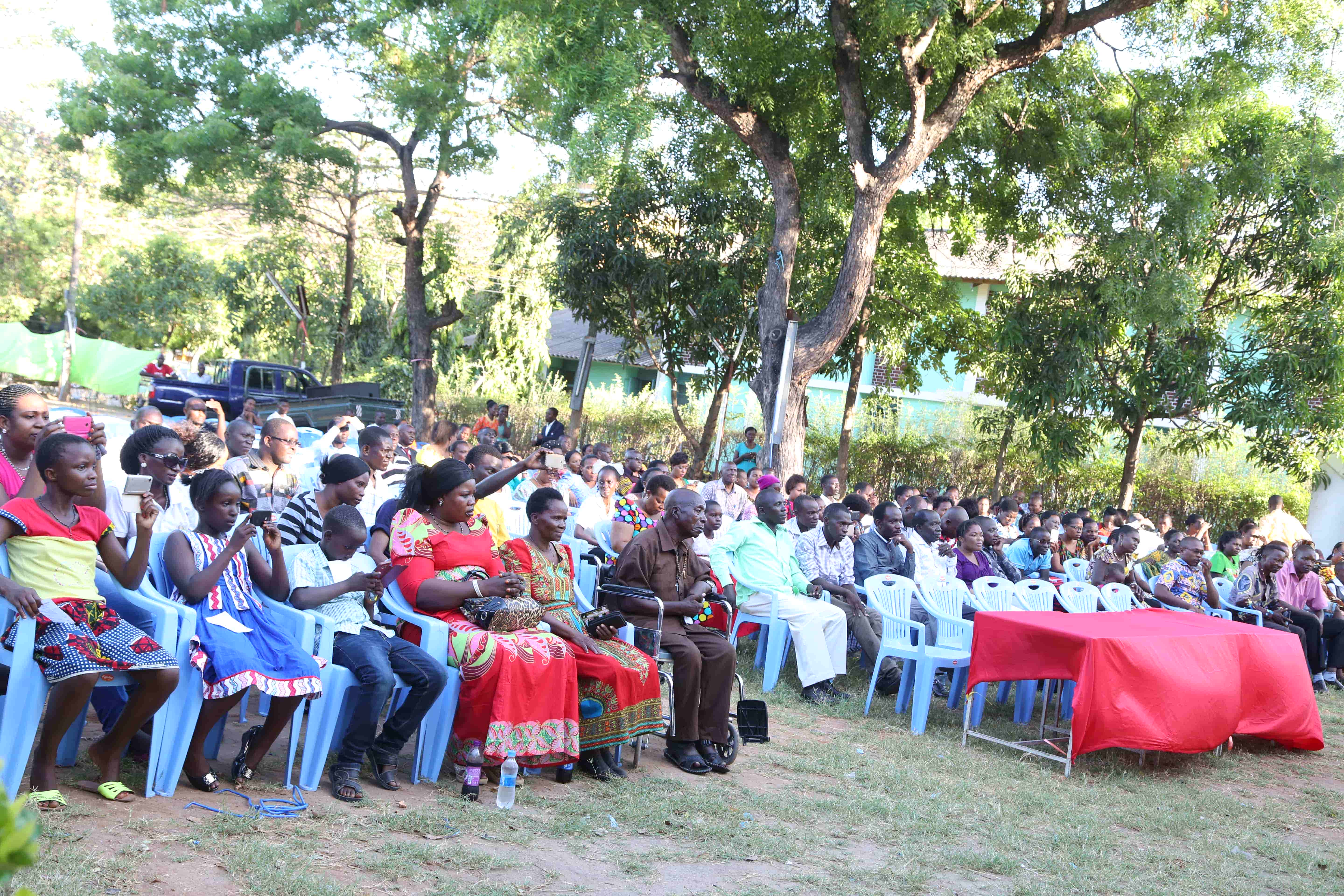
Capacity Building Activity
KAPOTIVE CAPACITY BULDING INITIATIVES
 English
 Germany
 Português